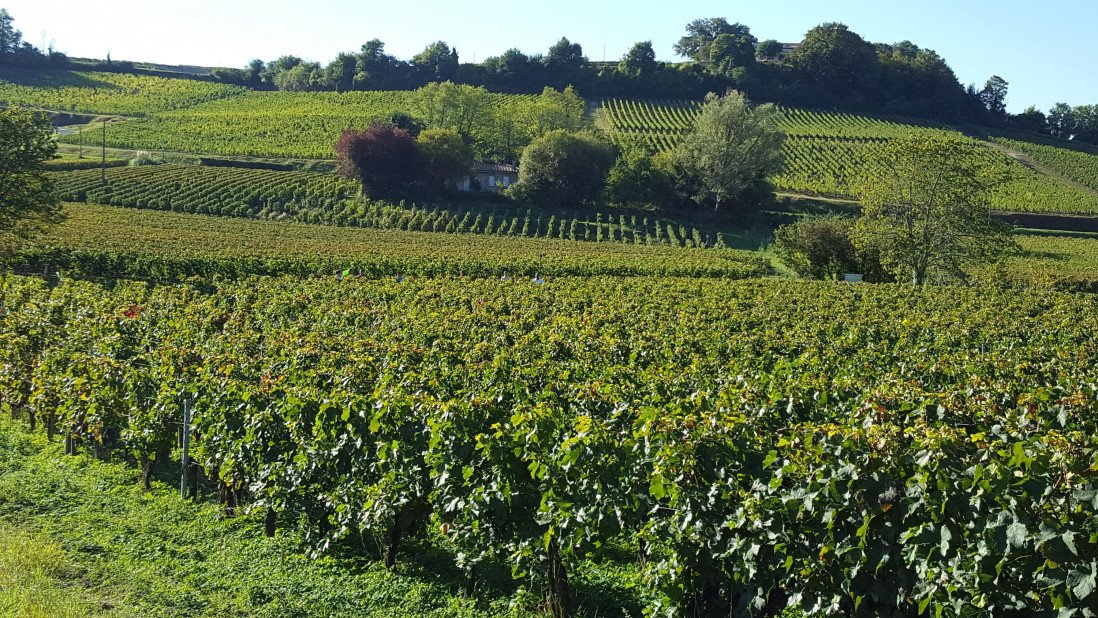
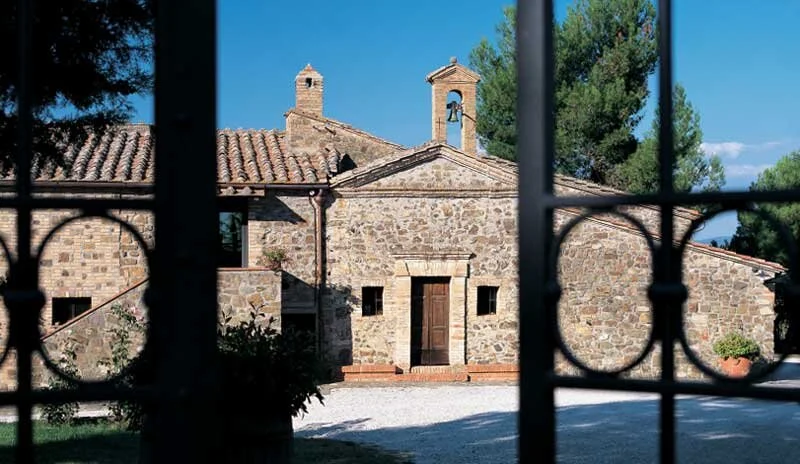
Domaine de Boissan - 3 Rue St Andre 84110 Sablet France

(download)

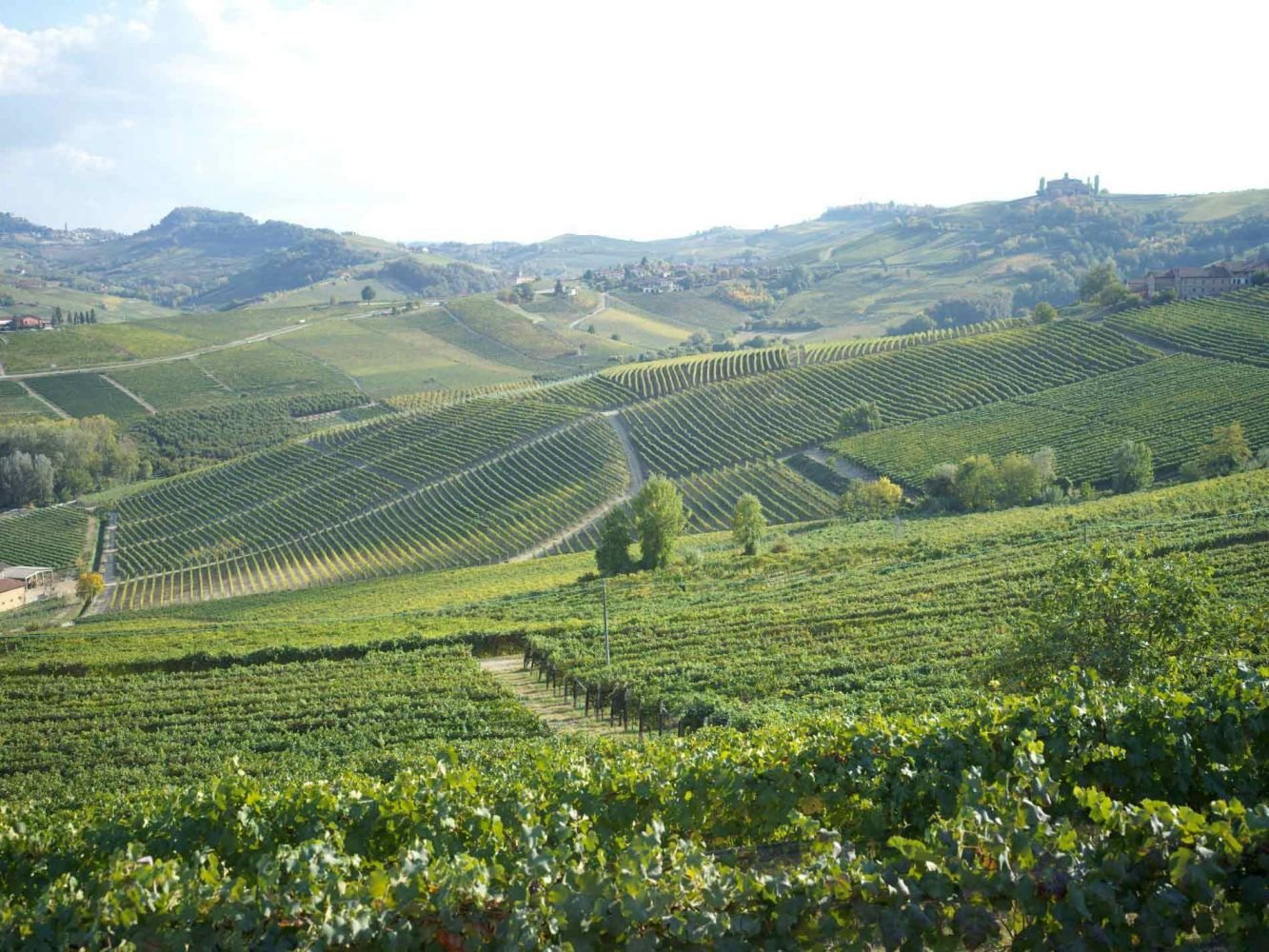
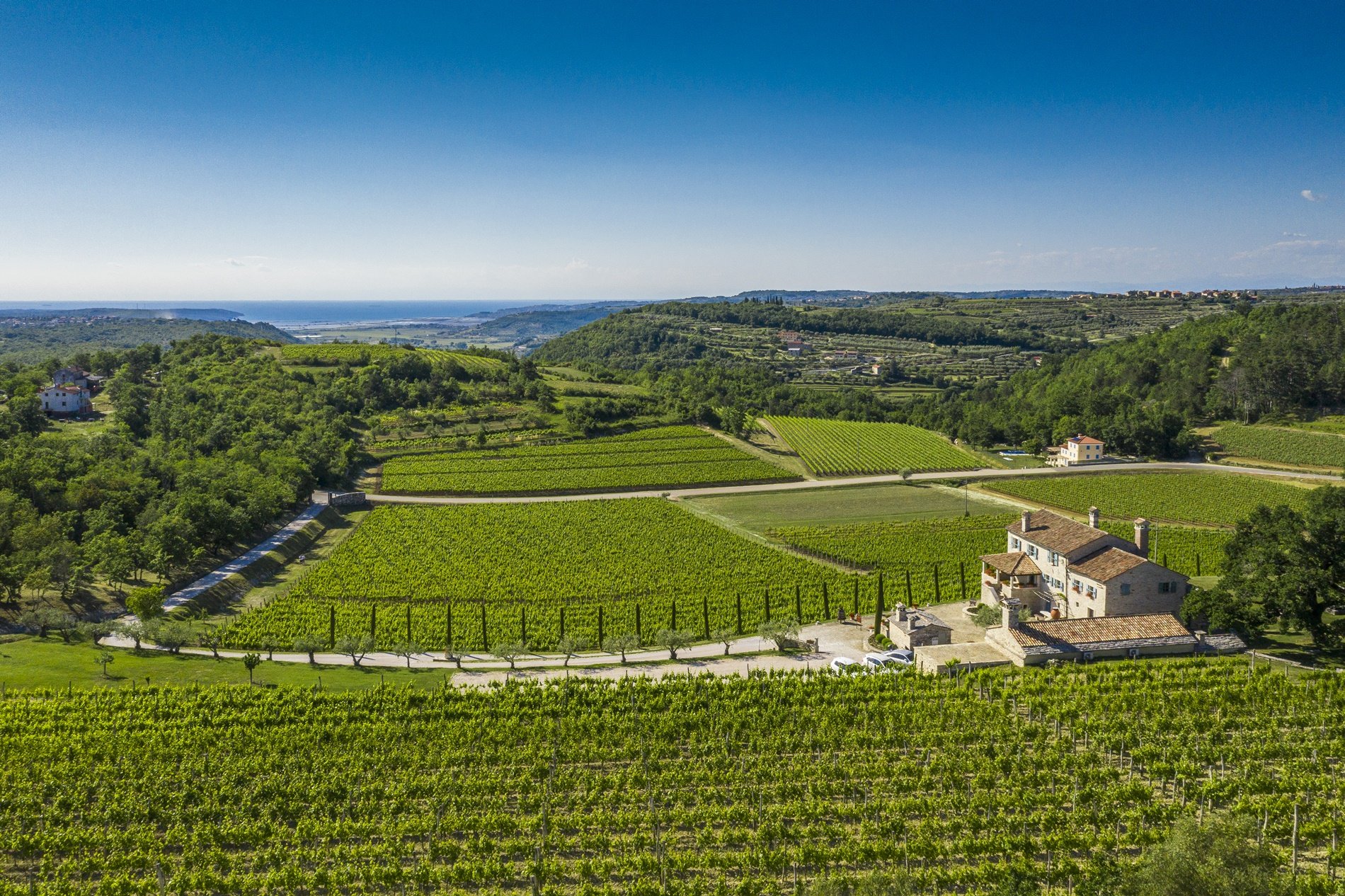
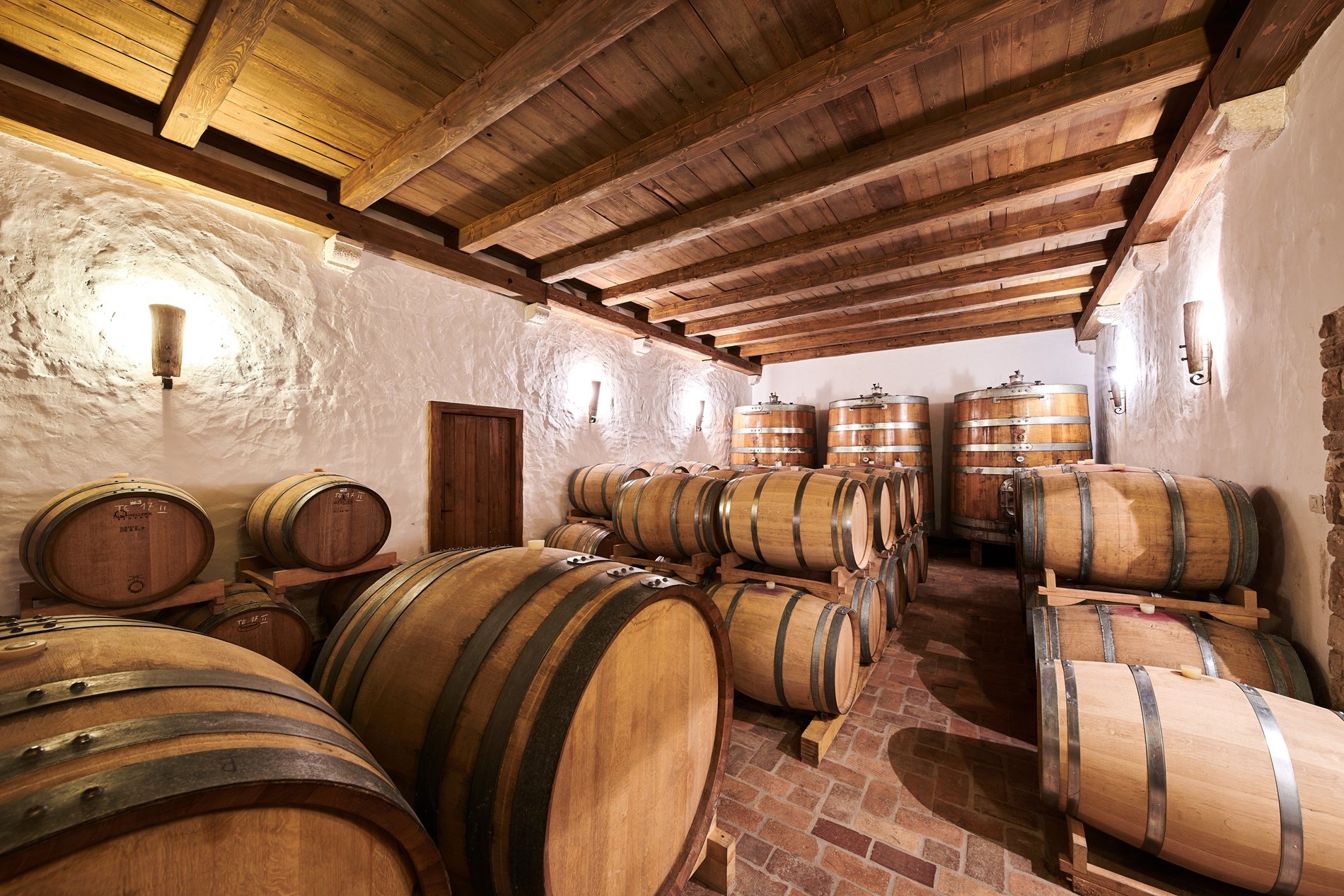
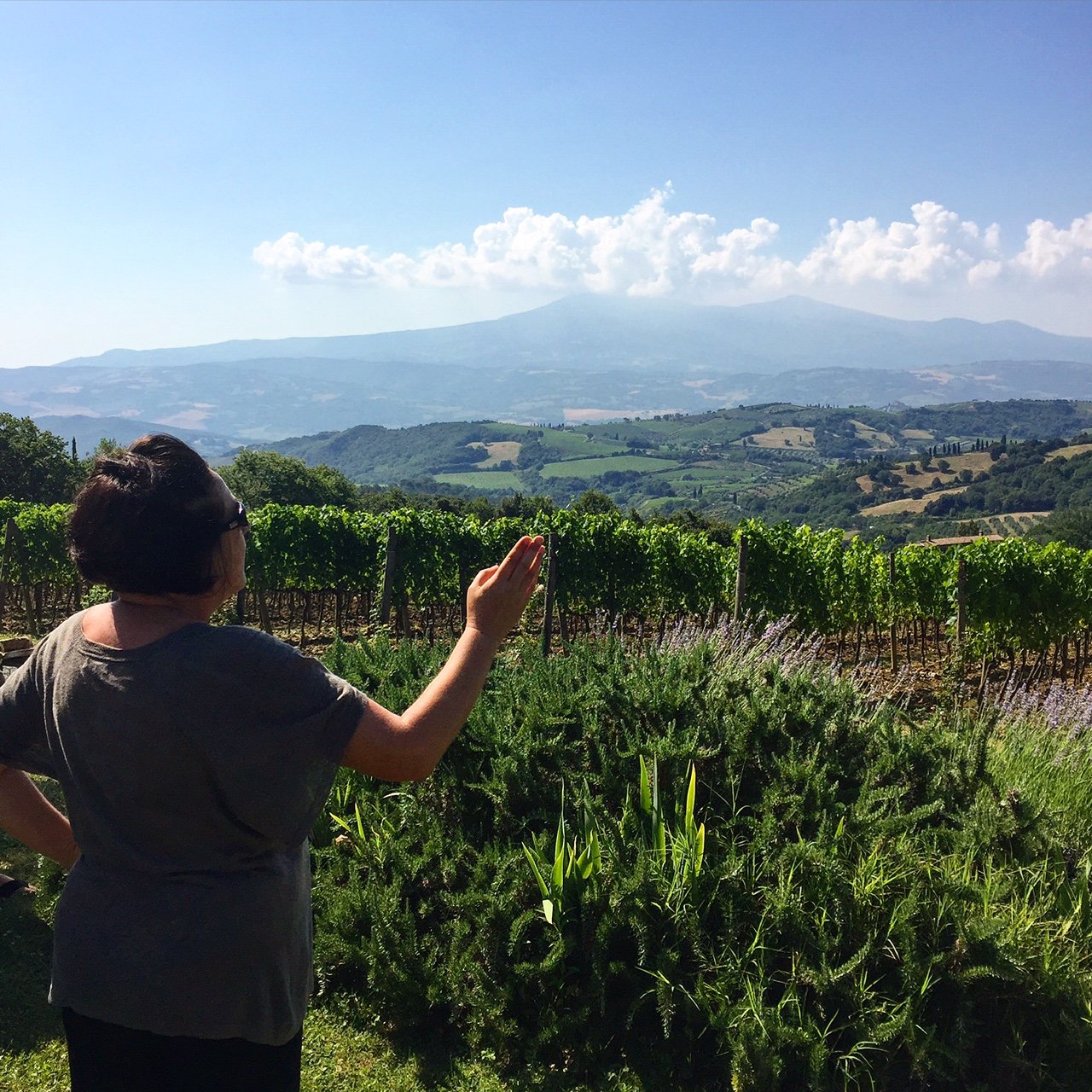
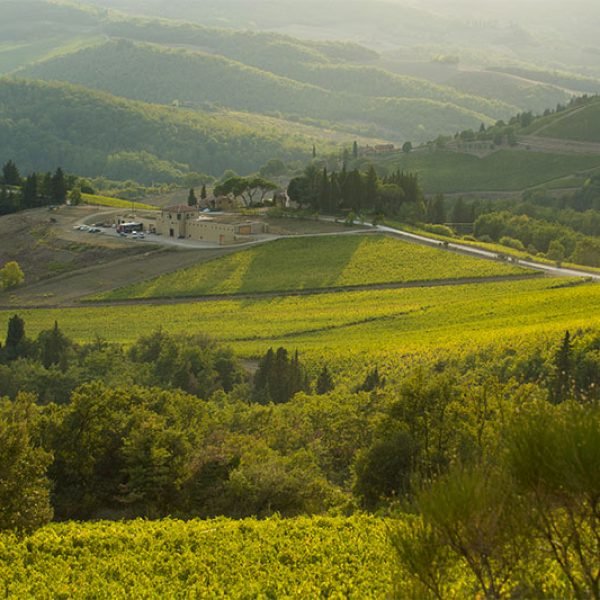
So, the bottom line is that Sour Grapes has a ridiculously good Rhône Valley portfolio.  There is so much value in this diverse Valley of France when compared to some similarly old regions in the world that we feel compelled to show off a little bit.  If you are not spending a lot of time drinking wine from this part of the world, we may change your mind.  We have several producers we are really keen on from the Rhone, but we all migrate to Domaine de Boissan.  The reason being is that we immediately fall head over heels with everything we taste from this Estate.  Their table wine tastes better than other things you see in the market with Côtes du Rhone on the label.

These guys have devoted their lives to producing wine in Sablet, which in my opinion is one of the most important winemaking cities in all of Europe.  It is cherished by the Sabletain, it has always been owned by the people of Sablet.  It doesn't sport a castle, it was untouched by the Plague in the early 1700's and it was here where monsieur Leydier invented the grafting machine that ultimately saved France from becoming one immense, dry country.

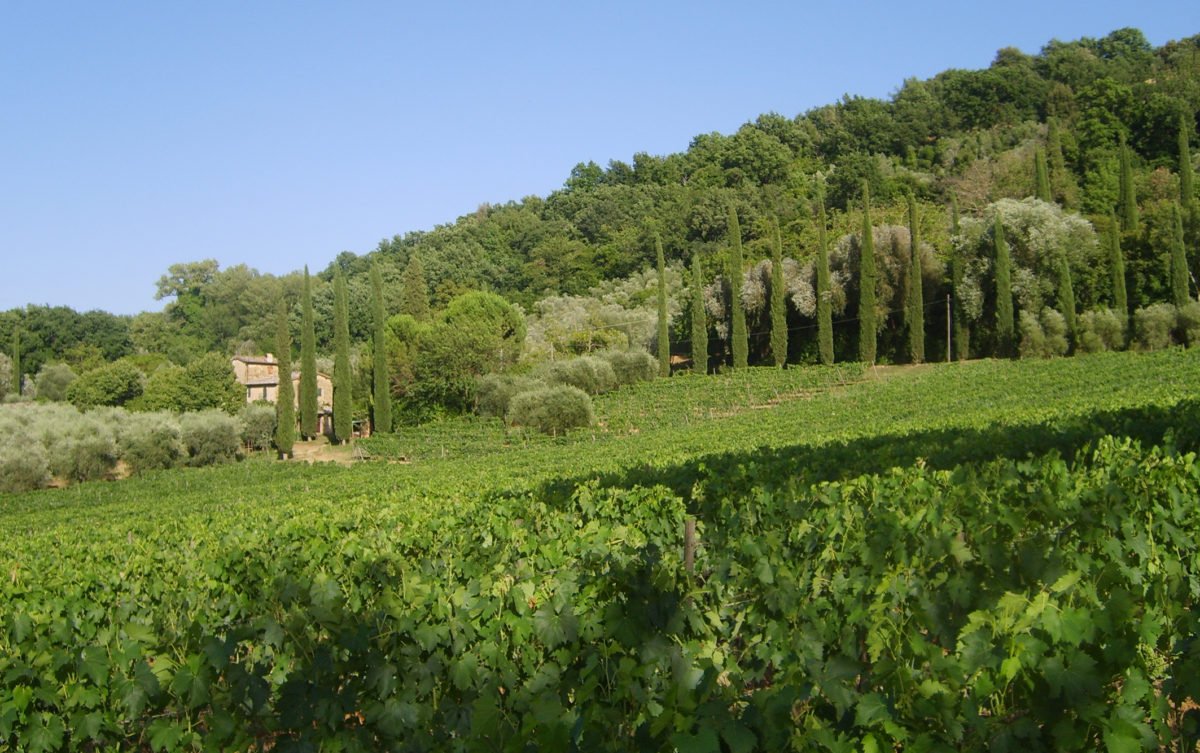
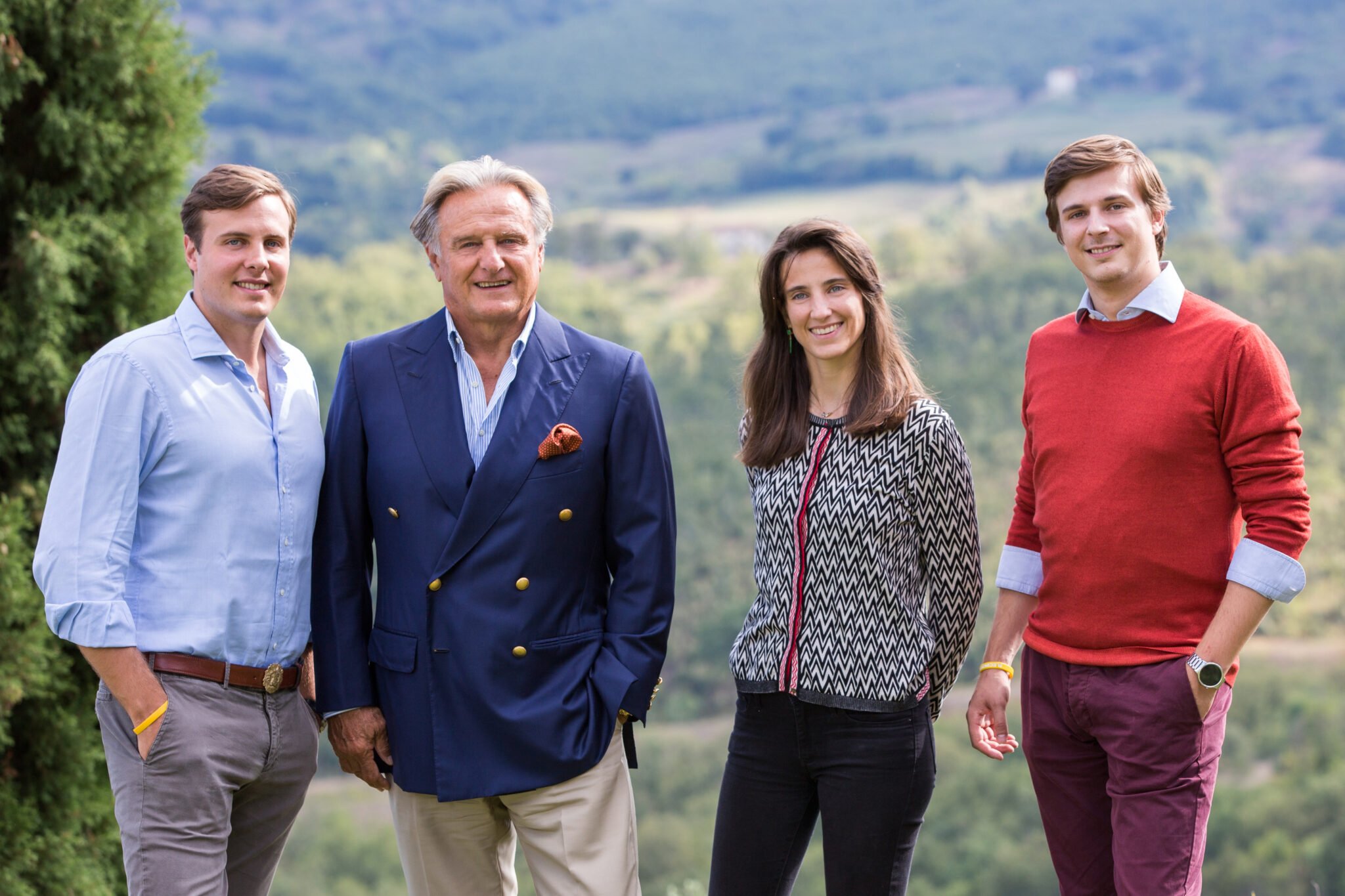
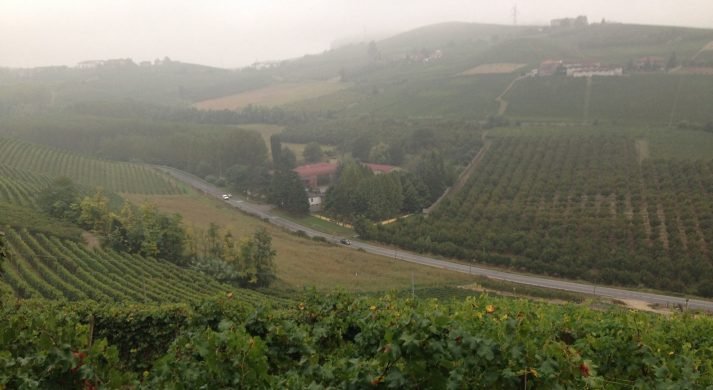
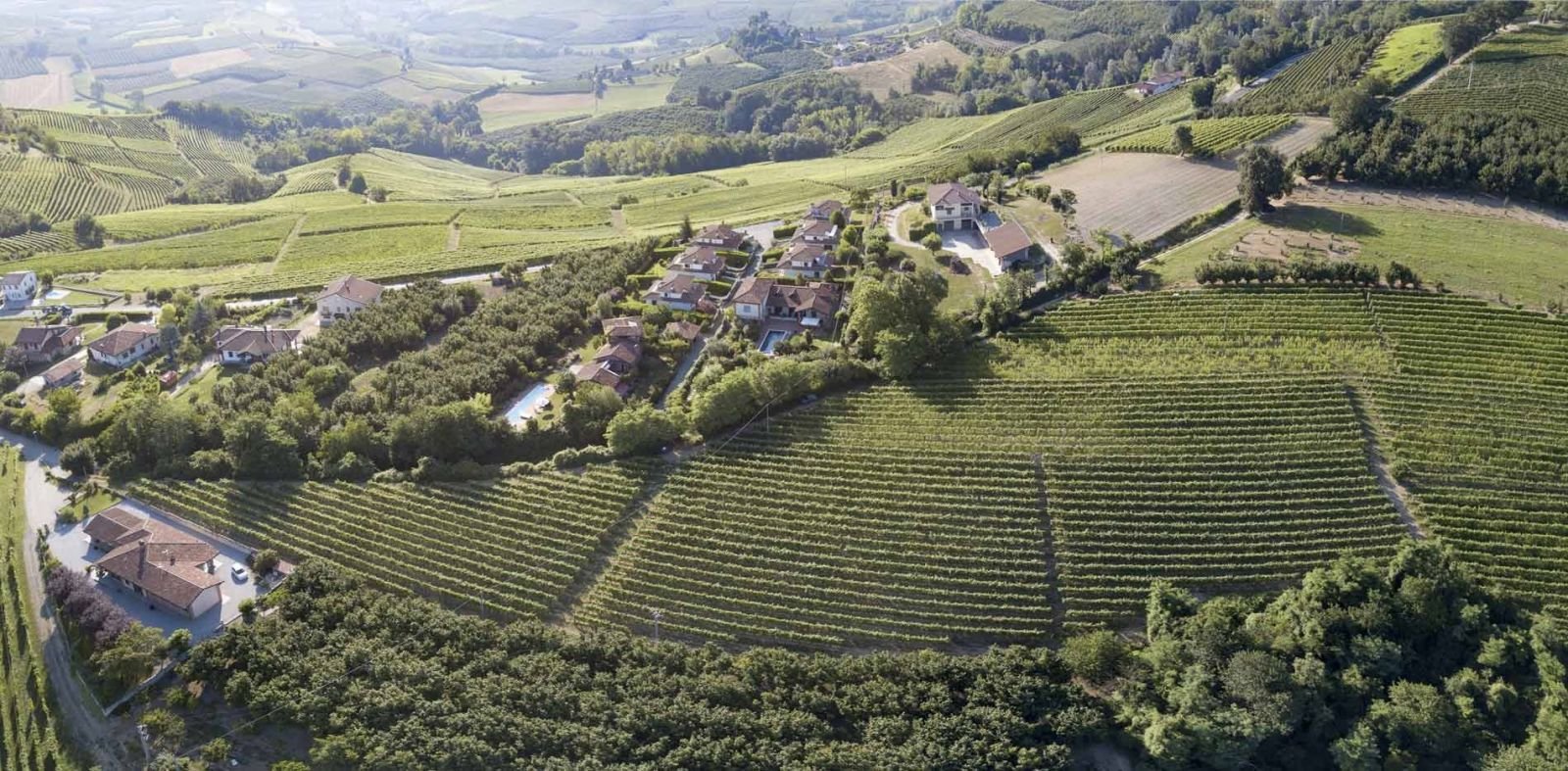
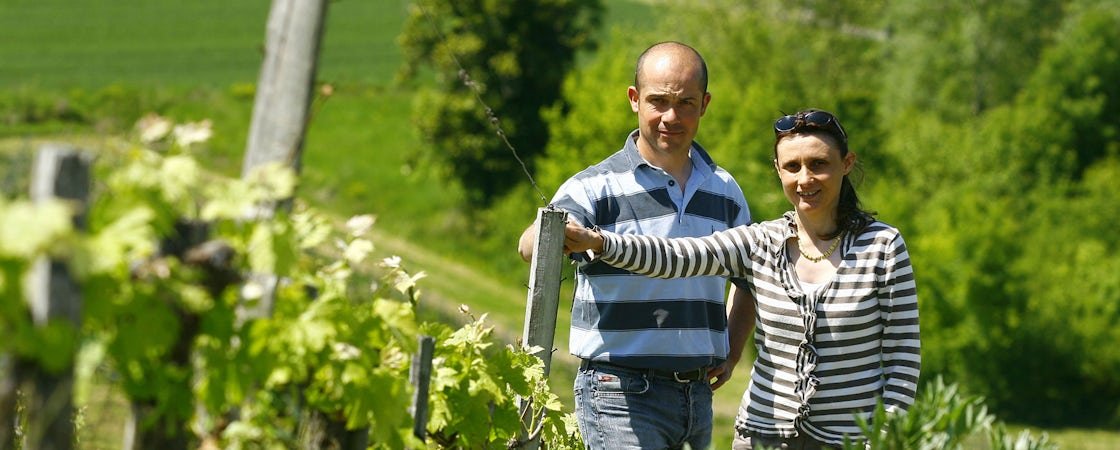
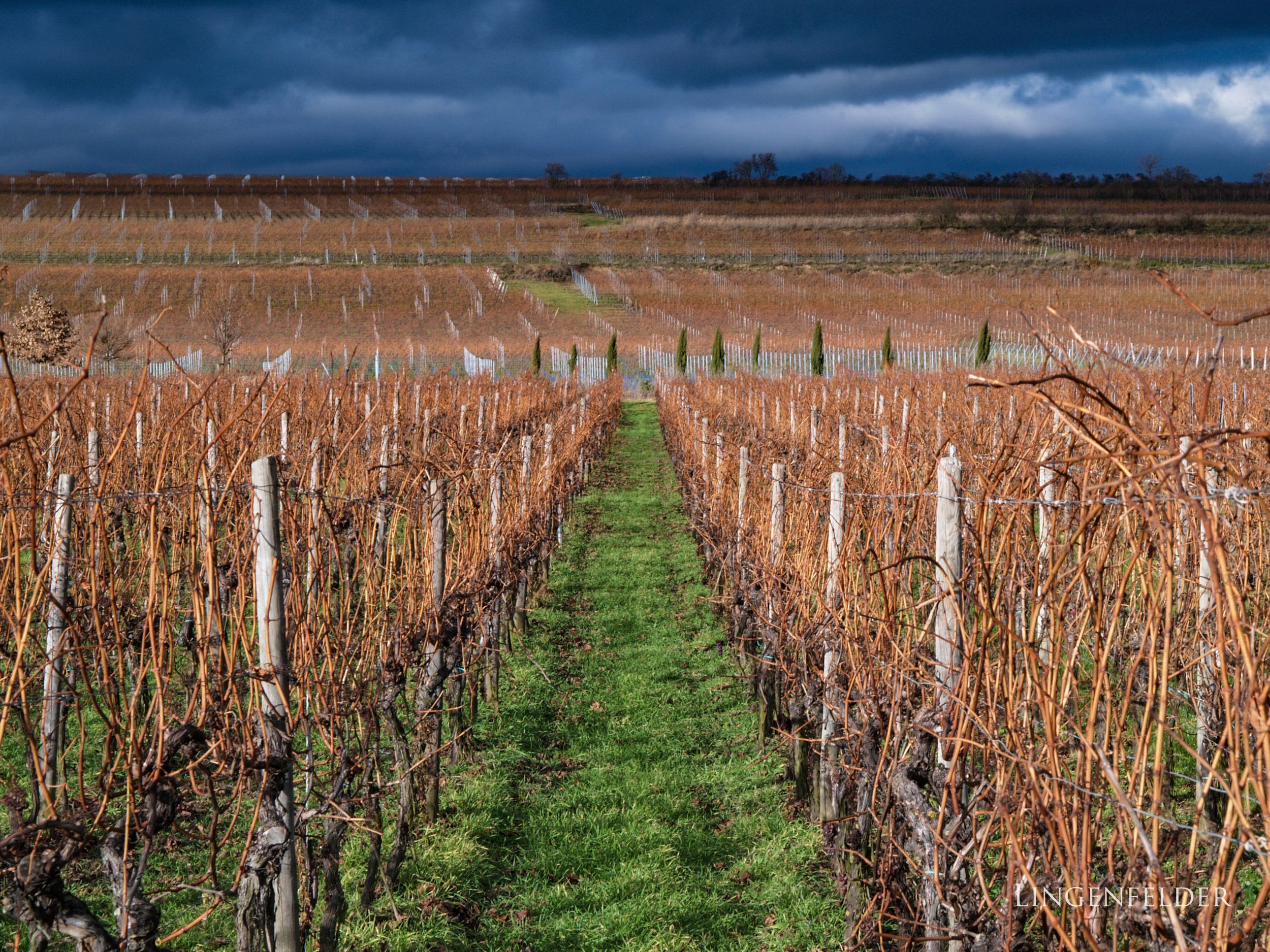
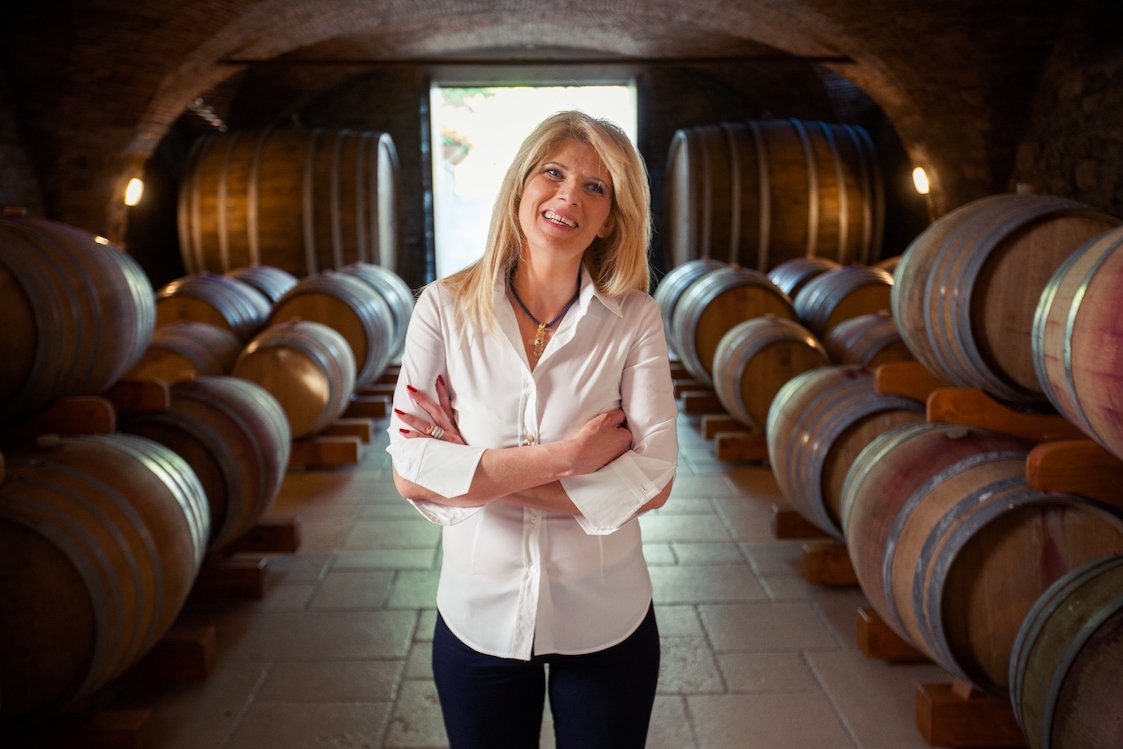
The estate was established here in the Southern Rhône in the 1700s.  It is now run by Christian Bonfils, who is the fifth generation of his family to run the estate, and his wife Cathy, who hails from a winemaking family in Pommard, Burgundy.  Their great grandparents would roll over in their graves if they knew someone within their family married into another winemaking family from outside of their own region!  In 1982, Christian inherited the winery and vineyards in and around Sablet from his mother’s family.  And in 1985, he also inherited vineyards from his father’s family, which are located in Gigondas and Vacqueyras.  In addition to the vineyards he has inherited, Christian and Cathy have also acquired additional parcels for the domaine, bringing the total estate to approximately 50 hectares.  

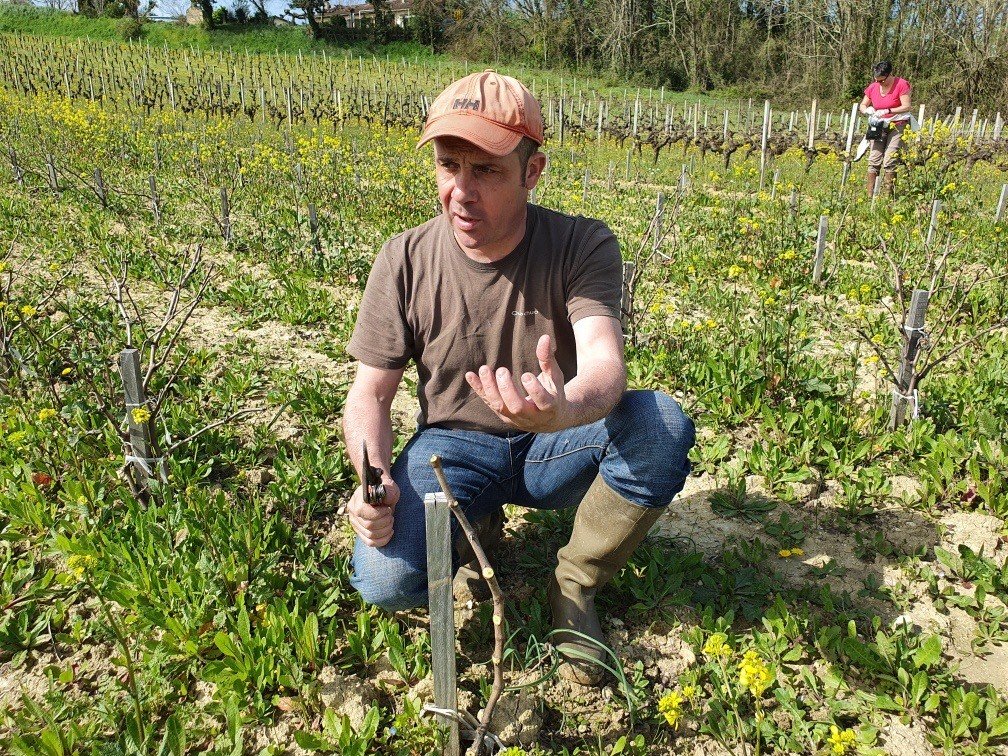
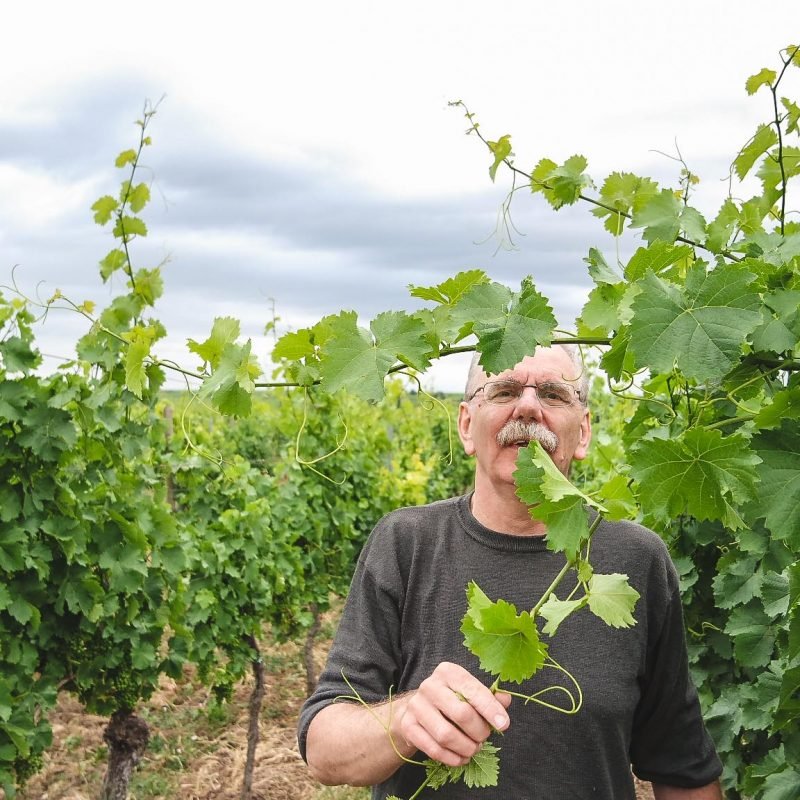
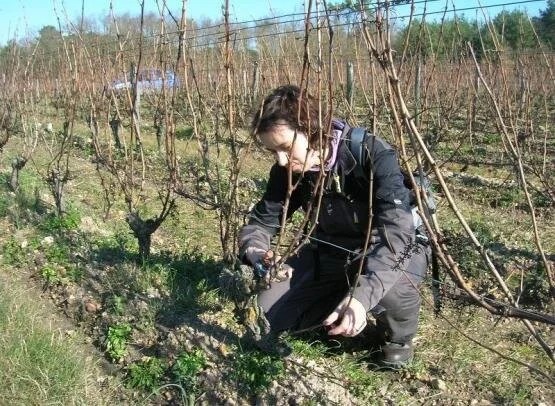
Since Christian and Cathy’s marriage, the estate has taken a more Burgundian approach to their wines and it is obvious.  This is partially Cathy’s influence from her winemaking upbringing in Pommard, but it is also due to the fact that Christian also studied in Burgundy.  Their goal is to preserve the delicacy of the fruit, so that the character of the land, the aromatics of the grapes, and the complexity of the wines are not masked by overripe fruit and excessive alcohol.  They farm organically and biodynamically, depending on the vineyard.  They handpick all of their grapes at harvest.  Further, Christian and Cathy do not blend or manipulate their wines to promote a “house style” of wine.  Rather, they make their cuvées based on what the harvest gives them and the blends change from year to year.  They have been successful at achieving their goals, and Christian and Cathy have quickly gained a reputation for wines that possess both balance and elegance.

The result is a long list of customers that are always in anticipation for more of their wines.  Thirsty?  

Domaine de Boissan is one of the stars of the Southern Rhône, and we are proud to promote these wines at Sour Grapes.  Each one offers an outstanding value, and we are consistently surprised at the quality and complexity we find in each bottle.  Here are a few of the wines that Sour Grapes carries from the Domaine de Boissan: 

Domaine de Boissan Gigondas Vieilles Vignes 2009

This wine is made from the estate’s vineyards in Gigondas, which have vines that are 40-50 years old.  Christian and Cathy use the maximum amount of Grenache allowed in Gigondas — 80% — and the remainder is Syrah.  The wine is aged for approximately twelve months in new oak barrels (25%), second use oak barrels (25%), and enamel coated vats (50%). 

Domaine de Boissan Côtes du Rhône Cuvée des Princes d’Orange 2009

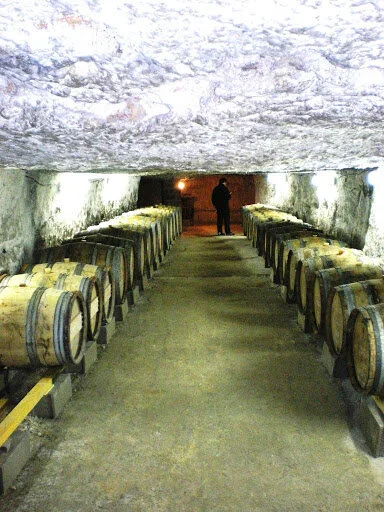
Christian crafts this cuvée, which is composed of Grenache, Syrah, and a small amount Mourvèdre.  The wine is whole-cluster fermented in large 200 year old foudres, and spends about six to eight months in barrel following fermentation.   

Domaine de Boissan vdt Cuvée de Sommelier [2009]

Cathy has been experimenting with natural winemaking, and one of her cuvées is this exciting, pure Grenache with no additional sulfites added after fermentation.  


What does wine mean to you?

Sour Grapes has recently begun sampling a lot of wine sent to us over the past months from suppliers who like us, work themselves into a passion-filled frenzy when discussing their wines or their producers in order to propel them up the ladder rungs for representation.  We sit, we smell, we judge, we look at prices, we discuss importers, their ideals, philosophies, etc. and then we repeat.  Then we talk about the smells, we bore each other with the profiles, packaging, immediate reactions, chat about our judgments, bitch at the prices, jabber about where these wines would fall in the market as far as pricing and we discuss the competition, etc.  We repeat with the next supplier.  We do this obviously because it's a business.  Without discussing any of these vital things, we would go out of business.  The broke, tired owner within me (we will call Sour) wants to flatten the competition by rifling through samples requested after hours of research to find that one wine that will climb to the top of any retail or restaurant group in light speed rewarding our plight.   As a result, we will be considered a serious contender in the trade here.  Everyone will be in awe and immediate, universal respect will be given to Sour Grapes when it's taken out on the street.  Oh and yes, we hope to make a little coinage at the same time.  To be honest, i hate the entire process.  There seems to be two sides of me now.  I'm torn.  The romantic within me (we will call Grapes) feels anyone going through this jive is truly missing what each wine is attempting to tell you about it's heritage, it's odyssey.  The real story is being overlooked by the relentless pursuit to ultimately retire in comfort.  The real story behind every wine is where its roots began.  Where those roots began producing buds and what family began to cultivate it in the place they chose.  What farming techniques and winemaking traditions have been passed down and what makes each of those secrets special are evident in each and every wine.  I'm torn.  Finally, I ask myself what wine really means to me these days?  It is obviously becoming a lot more complex.
"A wine of terroir is by nature, an ultimately indefinable, unquantifiable agent of memory. This is a curse for relentless rationalists, unrepentant pragmatists, and all the busy codifiers of this world, anxious for absolutes. And a blessing for the rest of us."

Philosophically speaking... 


-Jonathan Nossiter in his book "Liquid Memory - Why Wine Matters".

Wines for Winter Weather

Now that the weather has turned cooler, we have changed both our wardrobe and our cuisine.  Why not change what we drink as well?

In the summertime, crisp white wines and light rosés are refreshing and the way to stay cool in the heat.  But as temperatures drop, many people start to crave more red wines to help them warm up.  A rich, red wine can do just as much to counter the winter weather as your favorite sweater.  Spicy reds, such as a Grenache-based wine from the Côtes du Rhône or an Austrian Blaufränkisch, are also a great way to stay warm in the winter.  Some richer white wines that see some oak ageing can have a spicy element that is a great match for the colder weather.  Excellent examples of these to try are Chardonnays from Burgundy or California.
Our cuisine has simultaneously changed going into this time of year as well.  Gone are the light salads, fresh fruits, and delicate dishes.  Now, most of our dishes are heartier and denser:  rich stews and soups, braised meats, roasted root vegetables and winter squashes.  As our meals change, the style of wine that will complement these dishes changes as well.  The brisk, dry Sauvignon Blanc that paired so well with the late summer salad with goat cheese and tomatoes is no match for a hearty beef stew.  Richer dishes call for richer and fuller-bodied wines.  While the hearty beef stew would be overpowering for a light Sauvignon Blanc, it would be perfectly complemented by a rustic red wine from the Languedoc or the Southern Rhône.  According to Matt Fern, wine buyer at Poole’s Diner, in the winter “I think of braised dishes, like lamb braised in red wine with root vegetables and hearty herbs such as rosemary.  This dish is perfect with red wines from Italy’s Piemonte region, which produces rich, earthy reds with an elegant balance of fruit, acidity, and tannins.”  Similarly, other braised meats, such as pork or beef, are natural partners with a rich, Spanish Tempranillo or a spicy Syrah from the Northern Rhône. 

And while winter cuisine calls for richer wines, that doesn’t automatically rule out white wines.  There are many concentrated whites that will partner well with the season’s dishes.  Pair the sweetness of roasted carrots and butternut squash with a fruit-forward Alsatian white, such as Riesling or Pinot Gris, or a floral Godello from Northwestern Spain. 

Winter_vineyard_season_s_serie

Roasted-root-vegetables

Vineyard-winter_sm

15appe-span-articlelarge

Vinography_desktop_wet_vineyar

Click here to download:
PastedGraphic-1.pdf (65 KB)
(download)

Medicine for your Holiday Season

Imgres

Who doesn't remember this time of year as a child?  My sister and I couldn't wait to open presents early Christmas morning and i had usually opened them weeks before having unwrapped and re-wrapped them with surgical precision.  My parents would indulge in some treacherous egg nog (not from this list http://bit.ly/t5wmai) probably spiked with some Jack Daniels as we weren't allowed to touch it without being tackled.  There always seemed to be copious amounts of homespun sweet and savory food lying around to dive into.  Those days were a lot less frantic.  

Every year i add to those memories as I try to shape new ones for my own family.  My daughter, Kaela, saw an egg nog commercial for Ovaltine recently and asked me, "Why are those people drinking eggs?".  I laughed and stated "I don't drink eggs, I drink wine".  She followed, "You're always drinking wine daddy..".  She's correct.  I tried to explain to her that wine is sort of like medicine (wrong on many levels) and that these days mommies and daddies are involved in a lot more hustle and bustle.  She asked, "What's hustle and bustle?".  My response:  "Well, dealing with things like …. adding children to the family, cold weather and additional layers of clothes, travel planning, holiday shopping, relatives, the sun going down earlier, becoming immune to caffeine, or simply just being old, etc.  

Long story short, here is your Sour Grapes prescription for this Holiday Season.  We hope it's a great one!

Jagdschloss Sekt Weiss Brut 2009 - Rheingau, Germany
Taking the name of the picturesque winemaking town on the banks of the Rhine, the Rüdesheimer Weinkellerei was founded in the mid-1800’s.  Although thoroughly modernized, their extensive networks of cellars, fallen into disuse after WWI, were actually used for mushroom cultivation.  Producing both estate wines and private labels from hillside, hand-harvested grapes, their Jagdschloss Sekt is vibrant and dimensional.  Festive and versatile, pair light, dry sparklers with whatever comes your way. Ideal with smoked salmon mousse on pumpernickel squares, pan-fried trout fillets or a basket of chili-cheese fries.  This has outsold all other sparkling wine for us this year (may have something to do with Summer of Riesling by Greico in NYC) and we're addicted.  This is 100% Riesling, dry and full of slate, stone fruit and delicious.

Casa de Mouraz Encruzado 2010 - Dao, Portugal
In this old land of steep slopes and small valleys, located between the mountain ranges of Estrela and Caramulo, the Cister monks built the monastery of S. Pedro de Mouraz (12th century), giving rise to the farming of vineyards and wine in this region.  Little has changed to the land but the original farming practices, since lost by industrialization, have now been brought back by Antonio Lopes Ribiero and his wife Sara Dionisio.  They inherited the vines through several generations but converted it to the first certified organic vineyard of the Dao in 2000 (and since biodynamic as well).  With the intent to use local varieties to the best of their terroir expression, the couple concentrates their creative efforts in respect to the cycles of nature.  They farm 13ha of various grapes (5 red and 4 white) is divided into 10 parcels due to differences in soil (granite to clay), altitude (140 to 400m) and surroundings (chestnut, oak and pine trees).  New plantings vie with nearly 50yr old vines.  The cellar uses the best of modern technology yet with traditional methods applied first, in the stone house cut from the very rock beneath them.  Gentle pressings, natural yeast starters, long lees contact in the wine and minimal handling otherwise, are the time honored practices.  Stainless steel with temperature control and pneumatic presses enhance the prospects.  The results are clear: pure expressions of the older grape vines, with distinct transparency to the terroir they have grown up in (documents show the parcels have been the same since the 16th century!) but fresh and pleasurable enough to be drunk young and often.  Antonio and Sara are a dynamic team, active in promoting the spread of their philosophies to neighboring vignerons.  The more they press, the better their wine, and the wines of Portugal at large, will be!  We think the monks would be happy too.  Tropical fruit, mint, orange blossom and apricot with fresh minerality and a long, light weighted finish.

Mas del Perié 'Les Escures' Malbec 2009 - Cahors, France
Fabien Jouves is a fourth generation winemaker from this original home to Malbec in Cahors, France.  He is 27, young, energetic and has been making wines half of his life. He told me his first time assisting in the winemaking process was at age 13.  He has quite a knack for drinking copious amounts of his wines and quickly saying that his thirst is due to his “labors in the vineyard”.  Fabien is quite the workhorse at the estate.  His uncle tends vines and they regularly plow with horses between the vines to aerate the soil (donʼt know if youʼve tried this, but it will make your arms double in size quickly) and everything is done by hand - even in the winery itself.  His uncle also used to sell the Malbec to some classed growths on the right bank (did not get any names) and regularly laughs at the Bordelaise “jealousy” of how juicy the familyʼs Malbec is grown here.  Iʼm also humbled by how much work goes into making the two wines of the estate.  This intro Malbec is 20+ year avg vines, fermented in cement, all natural yeasts, organically farmed and finally has the new label.  The old label was simply ridiculous, but Fabienʼs grandmother was holding onto it for some reason.  Once you drink this, the new world stuff will never be a thought again.

Tinhof Blau+Red 2009 - Burgenland, Austria
Erwin Tinhof began his agricultural studies at the University of Agricultural Sciences in Vienna.  Then at the University of Montpellier he began his winemaking studies and had quite an internship at one of the most prestigious wineries in the South of France (Mas de Daumas Gassac).  Only through the natural course, farming biodynamically, without insecticides, herbicides or artificial fertilization does he pursue his passion of making wine.  His vines are mostly 15-45 year old vines.  The estate is located in Eisenstadt, the capital of the Burgenland region, in the Neusiedlersee-Hügelland wine-growing region in Austria.  This Introductory red of the estate is comprised mostly of Blaufrankisch (70%) and the remainder is Zweigelt (30%).  Classic spicy aromas of violets and dark fruits give way to a great balance of fruit, tannin & acidity.  Erwin created a steal for the price you will pay for this biodynamically farmed blend from Tinhof.

Bodegas Ruchel Mencia 2009 - Valdeorras, Spain
This is a small, family owned winery that is located in the Villemartin commune of the Valdeorras region.  Valdeorras translates to ‘Valley of Gold,’ as the Romans mined for gold before they moved forward with planting vines throughout the region.  A continental climate loaded with slate, granite, calcareous clay, and alluvial soils throughout the seven major wine producing communes, along with a complex river system running through the zones, gives the wines of this 1945 D.O. a great sense of place.  The family farms about 19 hectares of their own vineyards, primarily growing Godello, along with some Mencia to produce small quantities of red wine.  The quality of each of their wines is a clear example of their focus on natural farming methods and vinification, as it is very important to Luciano and the rest of the Bodega.  Having produced wine for only a couple decades, Ruchel is proud to already represent the tradition and style of truly great Valdeorras wine.  The Ruchel Mencia is made from hand-harvested Mencia and a touch of Tempranillo.  The wine is fermented in stainless steel tanks and then left to age in the bottle for 9 months.  Red cherry in color, this wine exhibits the lovely characteristics of quality Mencia.  It is clean and well-balanced with red and black berry notes along with some good earthiness and a bit of spice.  The finish is clean and pleasant with lingering notes of fruit and spice.  This medium-bodied red is a good accompaniment to grilled fish and all types of meats and game.  

Domaine l'Agapé Riesling 2009 - Alsace, France
Domaine l'Agapé sprang to life by collecting the fruit of some of Alsace’s best vineyards (including Grand Cru Osterberg, Rosacker and Schoenenbourg). In 2007, Vincent Sipp and Isabelle Boxler opened the doors of the cellar to receive this fruit from 8.5ha of vines.  1/3 of the land they farm organically is Grand Cru AOC vineyard, with vines no younger than 25 years of age.  They began with pristine ingredients and have repaid the land with extraordinarily complex and aromatic wines.  Vincent works the cellar to perfection and, with the renowned nose (and deft talent in the kitchen) of Isabelle, guides the wines to perfumed finesse.  They both are descendants from old vignerons in the region, the Boxler family supplying them with access to their vines averaging 35yrs old.  These are maintained with the balance and harmony to nature in mind.  Homemade composts are used to stimulate natural soil health and biological defenses in the vines. Cover crop alternately decorates the rows and is ploughed for root propagation.  Rot and mildew are kept in check with rigorous canopy management.  The two handpick the fruit, keeping the clusters whole.  The goal is to develop complexity in the fruit, without sacrificing the delicate aromas of each unique varietal.  They hope to express the beauty that lives around them, that is encouraged to be free and creates the terroir that is truly of their wines.  Their total production is less than 5,000 cases per year.  Fine. Focused. Expressive.  These are words to describe both the wines and the talents behind the wines at this young estate. 

Can you say Gemischter?

Viennese Gemischter Satz awarded Slow Food Foundation’s Ark of Taste

(download)

Viennese specialty wine the Gemischter Satz – a special blend – has been admitted to the international Slow Food Foundation’s Ark of Taste.

The Italy-based Slow Food Foundation for the promotion of biodiversity has included the Viennese Gemischter Satz in its Ark of Taste, also making it one of its Presidia products. Only 300 products worldwide have been honored with this award. It is intended to protect high-quality and traditionally produced foods for future generations in the face of industrialized agriculture and big business. The Viennese specialty wine and the fruit of the Lower Austrian Wiesenwienerwald Chequer Tree are Austria’s first Presidia products.
The Slow Food movement was founded in Italy as a lobby for good taste, the preservation of culinary heritage, sustainable farming methods and safeguarding biodiversity. Today it has more than 100,000 members in 153 countries.

"Too much of anything is bad, but too much of Champagne is just right." - F Scott Fitzgerald

Imgres

I found out that today is Global Champagne Day.  After a bit of reading, I see that this is a pretty serious thing for a lot of "bubble connoisseurs" around the world.   I think i'm going to begin to follow in their footsteps.  

For a lot of the early part of my life, i tended to focus on things that always led my thoughts into becoming darker.  I stampeded around like a lot of other people I see these days, sort of pissed at the situation they were in.  Always gloomy, full of anger and only able to see negative things about the people they work with or the people that they interact with on a daily basis.  Over the years I subconsciously surrounded myself with people who constantly made me see the err in that type of behavior.  These family members, friends & business associates always seemed to see life as fleeting and they take every moment to enjoy exactly where they are.  They live buzzing in the moment and are able to see the virtue in every setting.  When i'm encompassed by these people, they have the ability to change my behavior immediately just in the same manner as a glass of good bubbles!

For those of you not surrounded by people who can have that kind of positive impact, Sour Grapes recommends these to aid in lifting your mood.  These are great Champagnes for Global Champagne Day and for this Holiday Season:

R. Dumont Brut Tradition NV 
An excellent blend from the southern part of Champagne (Aube) where this estate produces primarily Pinot Noir dominated Sparkling with Extreme Freshness.  80% Pinot Noir, 20% Chardonnay grown in the Champignol lez Mondeville area where these two brothers practice lutte raisonnée and make phenomenally pure Champagne.  The soil is primarily Kimmeridgian soil, adding fruitier notes and Portlandian soil in smaller quantities in higher elevation that adds the mineral vein to this blend.  One of the best values in Champagne in the market.  This area is focused on farming and here are some other great producers to seek out:

José Michel Brut Pinot Meunier NV
100% Pinot Meunier from Moussy, just south of Épernay where this estate is famous for it's reputation and quality.  This fruit is from the 2005 vintage, even though it is labelled NV.  The soil in the higher elevations is mostly clay and are planted predominately with this Pinot Meunier.  Most Pinot Meunier ends up as non-vintage or "standard champagne" blends.  The José Michel family consistently showcases the grape's floral tones, natural fruitiness and does it while employing good acidity & age-ability over the entire range of their wines.  It is worth noting that Krug is another estate who uses a higher proportion (some say 15%, others say up to 30%) of Pinot Meunier in their wines and these wines will offer exceptional flavor first, then value and quality.

Thierry Triolet Les Vieilles Vignes Brut 2005
In Béthon, this is a vintage Champagne only produced in the best years.  This is in the Cote de Sézanne region, but really this area is an extension of the larger Cotes de Blancs which has always been a great place for larger houses to source the highest quality Chardonnay for their wines.  This is a single parcel wine with vine age averaging 45-50 plus years.  Triolet's vineyards are mostly planted to Chardonnay and the wines have a high level of acidity.  This wine will evolve beautifully in the cellar.

I rarely quote the Bible, but here we go…..

Shenaniganz-the-bat-wing-the-goat-etc-waiting-movie-tee-t-shirt-vintage-t-shirt-review-deez-teez-deez-teez
“Love Your Neighbor As Yourself.” Mark 12:30-31

Lets extrapolate this further to mean, “you should treat people the way you would like to be treated”.  Therefore, the question is: Why do farm to fork & small, independently owned restaurants and retail stores buy wine from the large, corporate wineries and vineyards?  If any of their customers acted in this way, their clientele would be eating at T-G-I-Fridays, Applebee's and heaven forbid Burger King or they would be shopping at Total Wine or Sam's Club.  Essentially, these independents would be out of business.  In conclusion, buy wine from those who you expect to dine in your restaurant or those you would expect to be walking in your wine shop.  

The Wines of Sicily, Mount Etna & Frank Cornelisson

Magmarossologo-2

Kelder-frank-pipet-1
3vini_bt_cantina2-1

Eruzione-2002-2

File-etnaavio
Yokoeangela-1

Sour Grapes Fall 2011 Availability

Rosso del Contadino No. 8
Munjebel Bianco No. 6
Munjebel Rosso No. 6
Munjebel Rosso No. 6 1500L
Magma Rosso No. 8

Please inquire about individual availability and pricing as these wines are the epitome of small production, hand crafted wines and we apologize for the inability to fill any order in advance.
Posterous theme by Cory Watilo